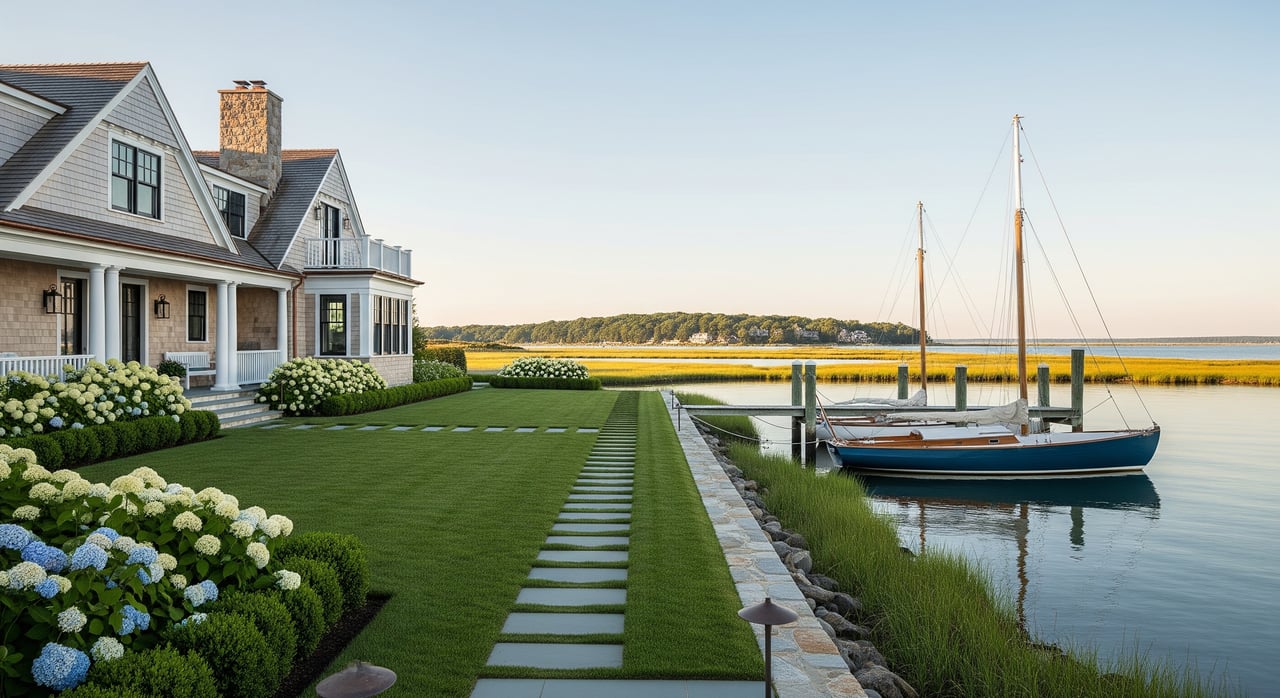
Wondering what day-to-day life in a coastal Connecticut town really feels like? If Fairfield is on your radar, you’re likely weighing commute times, neighborhood vibes, and how close you’ll be to the beach. You want a clear, honest picture so you can decide if it fits your lifestyle and budget. In this guide, you’ll learn how Fairfield is laid out, what housing looks like, how people get around, and the practical trade-offs to consider. Let’s dive in.
Fairfield, CT at a glance
Fairfield is a suburban, shoreline community of about 61,000 residents in southwestern Connecticut. Many people live here for a calm coastal lifestyle with convenient access to jobs in Bridgeport, Stamford, and New York City. You’ll find year-round residents alongside a summer season that brings extra activity to local beaches and waterfront areas.
Cost of living and property taxes are higher than national averages. That is typical for Fairfield County and much of coastal Connecticut. If you are moving from a lower-cost area, you’ll want to plan your budget carefully and talk with your lender and tax professional about recurring costs.
Fairfield’s character combines small-town amenities, a traditional New England look, and a practical commuter network. You can spend a Saturday at the beach, grab coffee downtown, and still catch a train to the city when needed.
Neighborhoods and daily life
Fairfield has distinct areas that offer different lifestyles. Your day-to-day experience will depend on where you choose to live.
Downtown Fairfield Center
Fairfield Center is the town’s main hub for shopping, dining, services, and community events. It has a more walkable feel than most of the town, with restaurants, cafes, boutiques, and everyday errands clustered together. If you want a condo or single-family home close to amenities and a train station, this is a natural place to focus your search.
Southport village
Southport is a historic village within Fairfield known for its harbor, classic architecture, and small, walkable center. You’ll see antique shops and boutiques, and a mix of older homes with distinctive character. If you like a quieter pace near the water and appreciate historic charm, Southport is worth exploring.
Coastal neighborhoods
Fairfield’s shoreline stretches along Long Island Sound, with beaches, marinas, and pockets of homes near the water. Living close to the coast puts you near swimming, boating, and scenic walks, especially from late spring through early fall. Keep in mind that some near-water properties may fall within flood zones and could require additional insurance and due diligence.
Greenfield Hill and interior areas
Greenfield Hill and other interior neighborhoods offer more space, larger lots, and quieter streets. You’ll find classic Colonials, historic homes, and estate settings in Greenfield Hill, along with mid-century and newer homes across the interior. If you want a larger yard and a more rural feel while still being in town, this part of Fairfield aligns well.
Walkability and biking
Outside of downtown, village, and a few coastal pockets, most daily errands will require a car. Some flat coastal roads are bike-friendly, but high-traffic routes like the Post Road and interstate corridors can be barriers. If walkability is a top priority, focus on Fairfield Center and Southport first, then evaluate specific blocks along the coast.
Housing and architecture
Fairfield’s housing stock is dominated by single-family homes. You’ll see a wide variety of styles and ages across town.
- Common styles: Colonials, Cape Cods, Tudors, ranches, and mid-century homes are prevalent. Renovated homes sit alongside classic originals.
- Historic and waterfront: Southport and Greenfield Hill feature older, historic properties. Waterfront and water-adjacent homes command premiums.
- Condos and townhomes: If you prefer lower-maintenance living, look for options downtown and near village centers.
Home ages range from early 20th century to newer construction, with many post-war and mid-century neighborhoods across the interior. Lot sizes vary by area, with larger parcels in Greenfield Hill and tighter footprints closer to the coast and downtown.
Pricing is higher than national averages and many inland Connecticut towns. You can expect a broad range, from smaller or renovation-ready homes at the lower end, to mid-range family homes, to premium properties on or near the water. Inventory can get tight in active seasons. Well-priced homes may draw multiple offers, so planning, pre-approval, and clear strategy matter.
Commuting and transportation
Fairfield is part of the Metro-North New Haven Line network, which connects the town to Stamford, New Haven, and New York City. Depending on the train, the ride to Manhattan typically runs about 60 to 90 minutes. Express options can shorten that window during peak hours, while local or off-peak trains may take longer.
I-95 runs along the coast and is the main east-west route through Fairfield. The Post Road (Route 1) is the local business corridor with shops and services. The Merritt Parkway (Route 15) provides an inland alternative, though it can see congestion and has vehicle restrictions. If you plan to commute daily, test-drive your routes at your usual times and review station parking options and permit requirements.
Local buses and town transit support limited trips, but most residents rely on personal vehicles for errands outside the walkable cores. If you want to reduce car use, target neighborhoods near train stations and downtown amenities.
Schools and learning
Fairfield Public Schools operate multiple elementary and middle schools and two public high schools: Fairfield Ludlowe and Fairfield Warde. Many families value the range of academic and extracurricular opportunities. For specific performance data, program offerings, and enrollment details, review the district’s official resources.
Fairfield University is located in town, contributing cultural programming, athletic events, and a bit of a college-town energy to nearby neighborhoods. You can also explore local arts and history through community venues and the Fairfield Museum & History Center, which offer exhibitions and events throughout the year.
Parks, beaches and recreation
Beaches are a major draw in Fairfield, with town-managed shorelines that are especially popular in warmer months. Residents enjoy swimming, sunning, and seasonal activities with required beach passes and posted rules. Local harbors and marinas support boating and fishing, and you’ll find town parks, playgrounds, and fields for youth sports and recreation programs.
If you love the outdoors, you can balance beach days with inland hiking, neighborhood walks, and biking on quieter roads. Summer brings a lively, social feel to the waterfront. During off-season months, you still get access to scenic coastal views and quieter trails.
Costs, taxes and risk
Like much of Fairfield County, Fairfield’s cost of living and property taxes sit above national averages. When you budget for a home, factor in the mill rate, projected tax bills, and other ownership costs. Your lender and tax professional can help you evaluate monthly affordability.
If you are considering a home near the coast or in a low-lying area, plan for flood due diligence. FEMA flood maps, elevation, and foundation details matter for insurance and long-term planning. Coastal towns also see Nor’easters and occasional hurricane-related weather, so review wind and flood insurance with your carrier.
Seasonal traffic near beaches can affect summer routines. If you commute by car, expect peak-hour congestion on I-95 and the Merritt Parkway at times. For rail commuters, train schedules and station parking availability are key planning points.
Is Fairfield right for you?
Choose Fairfield if you want a suburban lifestyle with coastal recreation and practical rail access to regional job centers. You’ll get neighborhood variety, from walkable village centers to quiet, estate-style streets. In return, you accept higher ownership costs than many inland markets and a commute that may be longer than city living.
If you are relocating with school-age children, you will find a range of public school options and extracurriculars. Downsizers and investors can explore condos, townhomes, and renovation opportunities, especially near downtown. Luxury buyers can focus on waterfront, Southport, and Greenfield Hill for distinctive homes.
How the Kelly Higgins Team can help
Buying or selling in Fairfield often comes down to planning, local insight, and careful execution. The Kelly Higgins Team offers:
- Local neighborhood guidance across Fairfield County, including Fairfield, Southport, and Greenfield Hill.
- Process fluency that keeps inspections, contingencies, and closings on track.
- Renovation and construction-savvy advice to help you assess potential and maximize ROI.
- Concierge-level support for estates, downsizing, relocations, and tight timelines.
- Premium marketing and polished presentation for listings through Coldwell Banker Global Luxury.
If Fairfield feels like a fit, or you want help comparing towns, reach out to the Kelly Higgins Team for a no-obligation consultation.
FAQs
How long is the train ride to NYC from Fairfield?
- Expect roughly 60 to 90 minutes depending on express versus local service and time of day.
Are there walkable areas with dining and shops in Fairfield?
- Yes. Fairfield Center and Southport village offer restaurants, cafes, boutiques, and services within a walkable core, with some coastal blocks also conducive to walking.
What housing styles are common in Fairfield, CT?
- You’ll see Colonials, Cape Cods, Tudors, ranches, mid-century homes, and condos or townhomes near downtown and village centers.
What should I know about flood insurance near Fairfield’s coast?
- Some near-water and low-lying properties may lie in FEMA flood zones. Plan for flood due diligence, including maps, elevation data, and insurance quotes.
How does school enrollment work in Fairfield Public Schools?
- The district operates multiple elementary and middle schools and two public high schools. Review official district resources for enrollment, boundaries, and program details.
What are the main pros and cons of living in Fairfield, CT?
- Pros include coastal recreation, neighborhood variety, and rail access to regional job centers. Cons include higher taxes and living costs, variable commute times, and seasonal traffic near the beaches.
