If you plan to sell your Fairfield home in the next year, the right updates can help you stand out fast. In a market where homes move quickly and buyers are comparing options side by side, visible wear or dated finishes can shape first impressions almost immediately. The good news is that you do not need to renovate everything to make a strong impact. With a smart plan, you can focus on the projects most likely to improve presentation, reduce objections, and support your sale. Let’s dive in.
Why pre-listing updates matter in Fairfield
Fairfield’s housing market gives sellers opportunity, but it also raises the bar for presentation. Recent local data show a median sale price of $980,000, about 24 days on market, and homes selling 4.1% over list price. In a fast-moving environment like that, buyers often notice condition issues right away because they are viewing several homes in a short window.
Broader Fairfield County data point to a similar pattern, with many homes selling in about 28 days and receiving multiple offers. That does not mean every home will sell at top dollar no matter its condition. It means buyers are moving quickly, comparing carefully, and often reacting strongly to homes that feel clean, current, and move-in ready.
Start with cosmetic refreshes
If you only have the time or budget for a few improvements, begin with the basics. According to the 2025 Remodeling Impact Report from the National Association of Realtors, painting the entire home is one of the most commonly recommended pre-listing projects. That lines up with what many Fairfield sellers need most: a clean, neutral backdrop that helps buyers focus on the home itself.
Fresh paint, wall patching, trim touch-ups, and replacing worn finishes can make a home feel better cared for without major disruption. These updates are especially useful if your home has scuffs, dated colors, or signs of everyday wear. They may not be dramatic, but they can change the way buyers experience the home from the moment they walk in.
Cosmetic fixes worth prioritizing
- Repaint heavily used rooms and high-traffic hallways
- Patch nail holes, cracks, and minor wall damage
- Touch up baseboards, doors, and window trim
- Replace worn caulk around tubs, sinks, and backsplashes
- Update old light fixtures where they make the home feel dated
- Deep clean surfaces that show wear, including grout and flooring
These are the kinds of updates that help your home feel fresh instead of tired. They also support photography, showings, and open house presentation.
Focus on kitchens and bathrooms
Kitchens and bathrooms still carry a lot of weight with buyers, but that does not always mean a full remodel makes sense before you sell. The same NAR report found strong demand for kitchen upgrades and bathroom renovations. But New England cost-versus-value data suggest that restrained projects often perform better than large luxury overhauls when resale is the goal.
In JLC’s 2024 New England Cost vs. Value report, a minor kitchen remodel recouped 110.8% of cost, while a midrange bathroom remodel recouped 84.5%. That is a strong argument for selective improvement. If your cabinets are solid, for example, it may be smarter to refresh hardware, counters, fixtures, lighting, or paint rather than gut the entire room.
Smart kitchen updates before listing
A minor kitchen refresh can help buyers see value without making you overspend. Consider updates like:
- Painting or refinishing cabinets if they are in good shape
- Replacing dated hardware and faucets
- Updating worn countertops if they visibly age the room
- Swapping in more current lighting
- Repairing damaged flooring or backsplash areas
- Removing clutter to improve the sense of space and function
The goal is not to create your dream kitchen. It is to present a clean, appealing kitchen that feels functional and current to the broadest group of buyers.
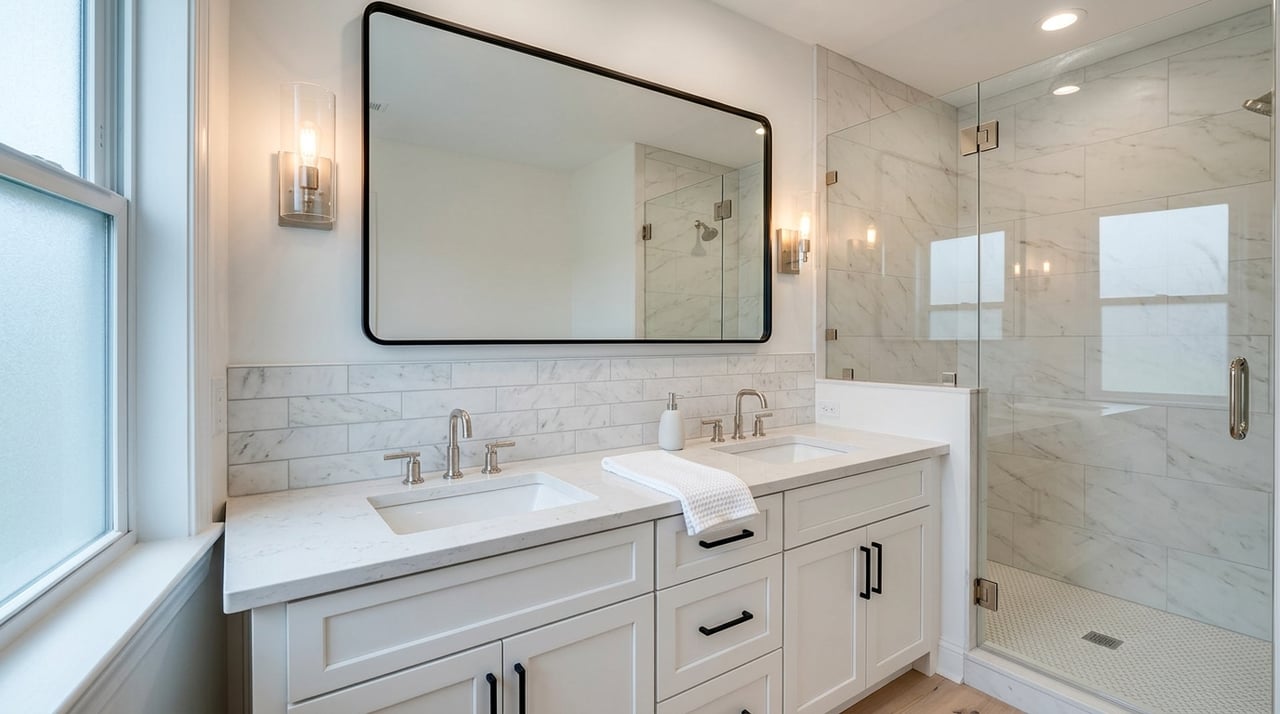
Bathroom updates that can pay off
Bathrooms tend to show age quickly, especially through worn surfaces and older finishes. Small changes can make a noticeable difference:
- Replace dated mirrors or vanity lighting
- Re-caulk tubs and showers
- Refresh vanity hardware and faucets
- Repair cracked tile or damaged grout
- Paint over dark or tired colors
- Replace old fixtures that make the room feel neglected
If a bathroom has a clear maintenance issue, address that first. Buyers tend to notice signs of moisture, aging seals, or poor upkeep very quickly.
Improve curb appeal before buyers walk in
The outside of your home sets the tone for everything that follows. In New England, JLC reports especially strong resale performance for garage door replacement, steel entry-door replacement, manufactured stone veneer, and fiber-cement siding. These are not just style upgrades. They can improve how well the home presents in listing photos and at the curb.
Curb appeal projects are often worth prioritizing because they influence buyer expectations before a showing even begins. If the exterior looks worn, buyers may assume the inside needs more work too. On the other hand, a clean and well-maintained exterior can help the whole property feel more polished.
Exterior projects that stand out
- Replace an aging or dented garage door
- Update the front entry door if it looks worn or dated
- Repair visible siding issues
- Freshen trim paint where peeling or fading shows
- Tidy walkways, steps, and the front approach
- Improve landscaping with clean edges and simple maintenance
If the roof has an issue, that deserves attention as well. NAR says a new roof is often recommended before listing when a roof problem exists. In many cases, that kind of repair does more than improve appearance. It can remove a major inspection concern.
Make energy updates when they solve real problems
Energy-conscious upgrades can be appealing, but the best ones are tied to comfort or condition issues buyers can feel. NAR reports that 19% of consumers remodel to improve energy efficiency. If your home has drafts, uneven temperatures, or aging envelope components, those issues may stand out during showings.
ENERGY STAR notes that air sealing, proper insulation, and high-performance windows work together to improve comfort, durability, and maintenance costs while lowering utility bills. This means the strongest pre-sale energy upgrades are usually the ones that fix a real performance problem, not just the ones that sound efficient on paper.
Where energy upgrades may make sense
- Seal obvious drafts around doors and windows
- Add or improve insulation where the home has comfort issues
- Replace very old single-pane windows when they are a clear weakness
- Consider storm windows in the right situation
For windows specifically, ENERGY STAR says replacing single-pane windows with certified windows can lower household energy bills by up to 13% nationwide. Certified storm windows can save about 20% on annual heating and cooling bills over single-pane clear glass windows. At the same time, ENERGY STAR also notes that new windows may not pay for themselves through energy savings alone, so they are often most worthwhile when they also improve comfort, maintenance, and resale appeal.
Be careful with major luxury remodels
It is easy to assume that bigger spending leads to a better sale, but that is not always how pre-listing renovations work. JLC’s New England data show lower resale recovery for upscale kitchen remodels, upscale bathroom remodels, and primary suite additions than for smaller cosmetic or exterior projects. That makes large, high-end renovations a risk if your main goal is return before selling.
In most cases, the safer strategy is to fix what feels dated, worn, or problematic rather than changing the home’s footprint. If a space already functions well, focus on presentation and condition first. Buyers usually respond better to a home that feels well maintained than to one where the seller over-improved in just one area.
Know when to bring in contractors
Some work is simple enough to handle as part of a general pre-listing prep plan. But once your project touches systems, permits, or specialized trades, it is important to bring in qualified professionals. In Connecticut, the Department of Consumer Protection says home improvement contractors must be registered.
The state also requires written contracts that include the date signed, work start date, completion date, and cancellation date. Many projects require a town permit, and the homeowner is ultimately responsible for making sure the right permit is obtained before work begins. Electrical, plumbing, and HVAC work usually requires more specific licensing.
In Fairfield, the town building department reviews, permits, and inspects residential and commercial work. Town materials note that the department processes more than 3,000 permits and over 10,000 inspections each year. If your renovation plan includes permitted work, it is smart to confirm requirements early rather than let timing slip close to your listing date.
Use staging after the updates are done
Staging is most helpful when your home already functions well but needs help showing scale, flow, or furniture placement. According to NAR’s 2023 Profile of Home Staging, 81% of buyers’ agents said staging made it easier for buyers to visualize a property as their future home. That matters because many buyers decide emotionally before they ever discuss numbers.
The rooms most commonly staged are the living room, primary bedroom, and kitchen. In practice, staging usually works best after decluttering, painting, and repairs are complete. That way, the staging highlights the home instead of covering up issues.
A practical renovation order for Fairfield sellers
If you are planning to sell within the next year, a clear order of operations can help you avoid wasted time and money. Based on the available data, this sequence tends to make the most sense:
- Paint, patch, clean, and repair visible wear
- Refresh dated kitchen and bathroom surfaces
- Improve front-of-house curb appeal
- Make energy upgrades that solve comfort or condition issues
- Stage key rooms once the home is decluttered and polished
This kind of plan supports what buyers are likely to notice first. It also aligns with the strongest recommendations in the research: fix obvious weaknesses, improve first impressions, and avoid overspending on major luxury projects that may not deliver the same return.
The goal is smart preparation
The best pre-listing renovation plan is rarely the biggest one. In Fairfield, where buyers move quickly and compare carefully, the homes that stand out are often the ones that feel clean, updated, and well cared for from the start. Thoughtful improvements to paint, kitchens, baths, curb appeal, and key comfort issues can go a long way.
If you are not sure where to begin, it helps to look at your home through a buyer’s eyes. A practical, market-aware plan can help you spend more wisely, reduce stress, and position your home to make a stronger impression when it hits the market.
If you are thinking about selling and want help deciding which updates are worth doing before you list, the Kelly Higgins Team can help you create a smart, tailored plan for your Fairfield home.
FAQs
What renovations help a Fairfield home stand out before listing?
- The most effective pre-listing updates in Fairfield are often cosmetic refreshes, minor kitchen and bathroom improvements, curb appeal projects, and targeted energy updates that solve obvious comfort or condition issues.
Should you remodel a kitchen before selling a home in Fairfield?
- A minor kitchen remodel or selective refresh usually makes more sense than a full luxury renovation when resale is your main goal, based on New England cost-versus-value data.
Are bathroom updates worth doing before selling in Fairfield?
- Yes, especially if the bathroom shows visible wear, outdated finishes, damaged grout, old fixtures, or maintenance issues that buyers are likely to notice.
Which exterior projects add the most value before listing a Fairfield home?
- In New England, garage door replacement, steel entry-door replacement, manufactured stone veneer, and fiber-cement siding show especially strong resale performance.
Do energy-efficient upgrades matter to homebuyers in Fairfield?
- They can matter most when they fix real problems like drafts, uneven temperatures, aging windows, or poor insulation, which can improve comfort and reduce buyer concerns.
Do you need permits for home renovations in Fairfield, CT?
- Many projects do require permits, and Fairfield’s building department reviews, permits, and inspects residential work, so it is important to confirm local requirements before work begins.
How do you choose the right contractor for a Fairfield home project?
- In Connecticut, home improvement contractors must be registered, and you should expect a written contract that includes key dates and project details before work starts.
