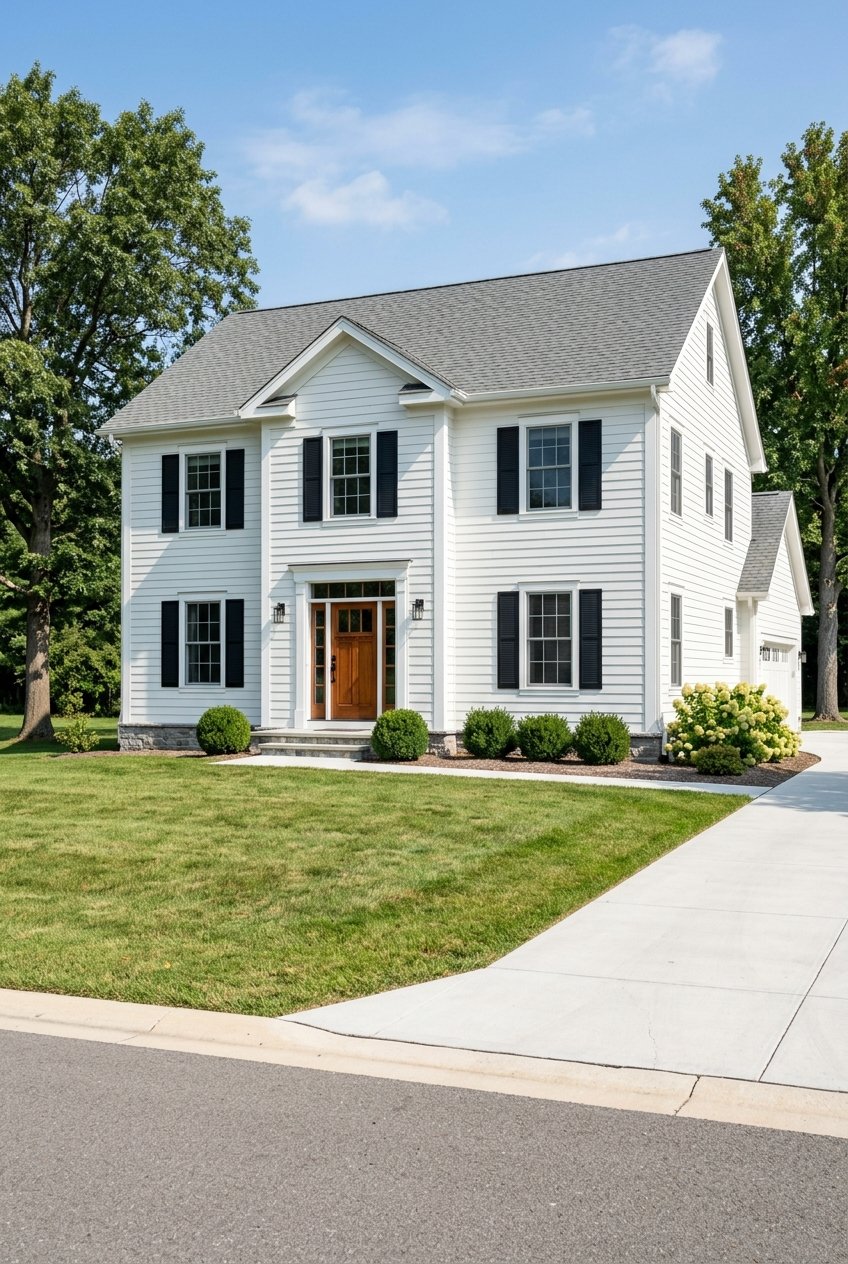
Thinking about trading city noise for more space, privacy, and a different daily rhythm? If you are relocating to Easton, CT from the city, the shift can feel exciting and a little unfamiliar at the same time. Easton offers a rural, low-density setting in Fairfield County, but it also comes with practical differences in commuting, utilities, homeownership, and move planning. This guide will help you understand what to expect so you can make a smart, confident move. Let’s dive in.
Why Easton Feels Different
Easton is not designed like a city neighborhood, and that is a big part of its appeal. The town highlights its rural character, with more than twenty working farms and more than one-third of its land permanently preserved, while local planning policies focus on protecting watersheds and maintaining low-density residential development. You can explore that local context on the Town of Easton overview and through the Planning and Zoning Commission.
For many city movers, that means your day-to-day experience will likely include more land, more privacy, and more driving. According to Census QuickFacts for Easton, the town had 7,815 residents in 2024, an 88.1% owner-occupancy rate, and a median owner-occupied home value of $783,100. Those numbers help frame Easton as a mostly owner-occupied market with a very different feel from dense urban housing.
What Your Commute May Look Like
If you are moving from New York City, one of the biggest lifestyle changes is transportation. Easton does not function like a walk-to-subway or walk-to-train environment. Instead, many residents rely on a drive-plus-train routine.
The town’s planning documents note that residents can commute to New York City using Metro-North New Haven Line service to Grand Central, with nearby stations including Fairfield, Westport, and Bridgeport. That means your train access will usually start with a car ride to a neighboring town’s station rather than a station inside Easton itself.
Road layout matters here too. A CTDOT Route 59 project document explains that this corridor connects key parts of town, including the Village Center, community facilities, and agricultural uses, and notes there are no sidewalks in the project area. For a city mover, the practical takeaway is simple: Easton can support a commuter lifestyle, but you should plan for driving as part of everyday mobility.
Housing in Easton Means More Space
One of the main reasons buyers relocate to Easton is the chance to own a home on a larger lot. Easton’s zoning regulations reinforce that pattern. In residential districts, the zoning code sets minimum lot sizes at 40,000 square feet in Residence A and 3 acres in Residence B.
That is a major change if you are coming from an apartment, condo, or small-lot city property. More land can mean more privacy and flexibility, but it also means more maintenance. You may have a longer driveway, more lawn or wooded area to manage, and more systems on the property that need regular attention.
Easton’s regulations also address shared or common driveways, including maintenance agreements for repairs, branch trimming, debris removal, and prompt snow and ice clearance. That may not be the first thing on your mind when you start browsing homes, but it matters when you think about daily living and winter logistics.
Utilities Work Differently Here
For city buyers, utilities are often one of the biggest surprises. Easton’s Plan of Conservation and Development says that most properties rely on private wells and private septic systems because there is no public sewer service. The same document notes that natural gas is available only on Morehouse Road from the Fairfield line to Town Hall and Library, while homes in other areas may use propane.
This changes your home search and due diligence. In Easton, you are not just evaluating layout, finishes, and location. You are also looking at how the house is serviced and what maintenance those systems may require over time.
The Connecticut Department of Public Health recommends testing water quality when buying a home, and the state also notes rules that apply to the sale of a home with an existing private well. The same DPH guidance says septic tanks should be inspected and pumped by a Connecticut-licensed cleaner as needed, on average every 3 to 5 years.
Your Easton Buyer Checklist
If you are relocating from the city, here are a few items to put on your checklist early:
- Confirm whether the home uses a private well, septic system, propane, or limited natural gas access
- Schedule well water testing during your inspection period
- Ask about septic inspection history and maintenance records
- Review driveway access and maintenance responsibilities, especially for common driveways
- Map out your likely route to a Metro-North station if commuting to New York City
- Budget for carrying costs like property taxes and system maintenance
These are not reasons to avoid Easton. They are simply part of making an informed move into a market with a more rural infrastructure.
Daily Life Is Convenient, But Not Dense
Easton does offer everyday destinations, but they are more clustered than spread across a dense retail grid. The Route 59 shared-use path project materials identify destinations such as the Village Center, community center, dog park, Easton EMS, Easton Village Store, and Silverman’s Farm Country Market. A related road safety audit describes Easton as having limited businesses and commercial areas.
That means your errands may feel more intentional than spontaneous. You are less likely to step outside and pass a full row of shops, restaurants, and services in a few blocks. Instead, daily life tends to revolve around planned trips, local gathering points, and nearby town centers throughout Fairfield County.
For many buyers, that tradeoff is worth it. You give up some walkable urban convenience, but you gain breathing room, a quieter setting, and a home environment shaped more by land and privacy than by density.
Understand the Costs of Buying
Relocating from the city also means learning the local closing process and carrying costs. In Connecticut, closings are attorney-led. According to the Connecticut General Assembly research report, a real estate closing must be conducted by a person admitted as an attorney in Connecticut.
That makes attorney selection an important early step, not an optional later detail. If you are used to a different process in another state, this is worth knowing before you get under contract.
Easton also has local transaction costs to plan for. The Easton Town Clerk FAQ states that the town’s municipal conveyance tax is 0.25% and the state residential conveyance tax is 0.75%. The same source notes land-record recording fees effective July 1, 2025 of $70 for the first page and $5 for each additional page.
For ongoing carrying costs, the Easton Tax Collector lists a 31.00-mill tax rate for the 2025-2026 fiscal year. Property taxes are an important part of your monthly ownership picture, so make sure they are included in your budget planning alongside mortgage, insurance, utilities, and maintenance.
Plan the Timing Carefully
Timing matters in any move, but especially in a market like Easton. Census data show that 88.1% of occupied housing is owner-occupied, and the median gross rent is $3,205, according to Census QuickFacts. While that does not measure current rental inventory directly, it does suggest that a smooth rental fallback may be less simple than in many city markets.
If you are coordinating a sale, a purchase, and a move from New York City, it helps to build in extra time and backup options. Short-term housing, overlap between closings, or temporary storage may be worth considering if your timeline is tight.
A practical sequence often looks like this:
- Choose your Connecticut real estate attorney early
- Narrow your commute plan before selecting a home
- Review well and septic details as soon as a property is in play
- Budget for taxes, utilities, and maintenance from day one
- Create a backup housing plan in case your closing dates do not line up perfectly
How to Make the Transition Easier
Moving to Easton from the city is not just a change of address. It is a change in pace, property type, and homeownership responsibilities. The right support can make that transition much easier, especially when you need help evaluating location, commute tradeoffs, inspection planning, and timing.
That is where local guidance matters. A team that understands Fairfield County, Easton’s housing patterns, and Connecticut’s attorney-led process can help you avoid surprises and move forward with more clarity. If you are considering a move, the Kelly Higgins Team can help you plan your relocation with practical, hands-on guidance tailored to your goals.
FAQs
What is the commute from Easton, CT to New York City like?
- Easton residents can use nearby Metro-North New Haven Line stations in Fairfield, Westport, and Bridgeport, so many commuters combine a drive with a train ride to Grand Central.
What should city buyers know about utilities in Easton, CT?
- Many Easton homes rely on private wells and private septic systems, and natural gas is limited to part of Morehouse Road, so buyers should review utility details carefully during due diligence.
Are Easton, CT homes on larger lots than city properties?
- Yes. Easton zoning requires minimum lot sizes of 40,000 square feet in Residence A and 3 acres in Residence B, which supports the town’s low-density residential pattern.
What extra inspections matter when buying a home in Easton, CT?
- In addition to general home inspections, buyers should plan for private well water testing and should review septic inspection and maintenance information.
Is Easton, CT a rental-heavy market for people relocating first?
- Easton is mostly owner-occupied, with Census data showing an 88.1% owner-occupancy rate, so it is wise to plan your timing carefully if you may need temporary housing.
How does the home closing process work in Easton, CT?
- Connecticut closings are attorney-led, so you should expect a Connecticut attorney to play a central role in your transaction.
