If you want a home where trails, woods, and open space are part of everyday life, Redding should be on your radar. This is not just a town with a few scenic spots. It is a place where preserved land, larger residential lots, and a quieter pace shape how you live from morning walks to weekend outings. If you are wondering whether Redding, CT fits your nature-focused lifestyle, this guide will help you understand what makes the town stand out. Let’s dive in.
Why Redding Appeals to Nature Lovers
Redding offers a noticeably different feel from denser parts of Fairfield County. The town has an estimated population of 8,830 in 2024, and local planning documents describe it as an exurban community with mostly single-family homes, larger lots, and limited commercial activity. That combination creates a setting that feels more land-rich and less built up than many nearby markets.
The town’s zoning and planning approach also support that character. Redding’s regulations were written to preserve its predominantly residential and farming character, which helps explain why so much of the town still feels open and quiet. For buyers who value space, privacy, and daily access to nature, that matters.
Open Space Defines Daily Life
Redding’s outdoor identity is one of its strongest lifestyle draws. The town says it has preserved almost 4,000 acres from development and includes major natural assets such as Huntington State Park, Putnam State Park, part of Centennial Watershed State Forest, and more than 60 miles of walking trails. The Redding Land Trust adds another layer, stewarding more than 2,200 acres and roughly 80 miles of hiking trails.
The exact trail total depends on how trails are counted, but the big picture is clear. You are not choosing Redding for occasional outdoor recreation. You are choosing a town where open space is part of the local structure and culture.
That stewardship is also active, not passive. Volunteer Trail Tenders help maintain the trail system, and many open spaces are carefully managed to balance access with conservation. That gives the town a more protected, intentional feel than places where growth has outpaced preservation.
Signature Outdoor Places in Redding
Saugatuck Falls Natural Area
Saugatuck Falls Natural Area is a 312.4-acre town preserve with 5.74 miles of trails, including two horseback trails. It was the town’s second open space purchase and remains its largest. For buyers trying to picture life in Redding, it is one of the easiest examples of how close natural areas can feel to everyday routines.
There is an important stewardship point here too. Swimming in the main pool is prohibited because the area drains to Bridgeport’s water supply. That rule reflects a theme you will see throughout town: access to beautiful natural spaces often comes with clear protections.
Lucius Pond Ordway Preserve at Devil’s Den
Devil’s Den is one of the region’s most notable preserves. The Lucius Pond Ordway Preserve spans 1,710 acres and has more than 20 miles of trails. The Land Trust describes it as the largest nature preserve in southwestern Connecticut.
For nature lovers, this is more than a nice local amenity. It gives Redding a true destination-level trail network, which is rare for a commuter-accessible Fairfield County town.
Topstone Park
Topstone Park adds another layer to the town’s outdoor lifestyle. This 280-acre park includes a lake, sandy beach, swimming, kayaking, nature trails, and a dog beach. It offers a more active recreation option for buyers who want variety beyond hiking.
It is also a good reminder that public outdoor spaces in Redding are managed with specific rules and seasonal schedules. For example, beach operations and dog access are regulated. If you value well-kept amenities and a town that actively manages its outdoor resources, that can be a real plus.
Putnam Memorial State Park
Putnam Memorial State Park blends outdoor access with local history. It is Connecticut’s oldest public park and commemorates a Revolutionary War winter encampment. The park is open to cyclists and pedestrians year-round from dawn to dusk.
You will find a historic one-mile loop, pond fishing, and additional walking trails. It is a good example of how outdoor life in Redding can be both scenic and layered with a sense of place.
Huntington State Park and New Pond Farm
Huntington State Park is known for open fields and dense woodlands, giving you another option for rustic outdoor time close to home. New Pond Farm adds a different experience with its 102-acre education center, 75 acres of woodlands, 2.5 miles of trails, wetlands, pastures, gardens, and working farm elements.
Together, these spaces show that Redding’s outdoor appeal is not one-note. You have woods, water, trails, fields, and farm landscapes all within one town.
Ives Trail Connection
If you enjoy longer trail experiences, Redding also connects to the 20-mile Ives Trail greenway. The Land Trust lists access in town with parking at or near the West Redding Train Station. That kind of connectivity adds depth for buyers who want more than short local loops.
What Homes in Redding Are Like
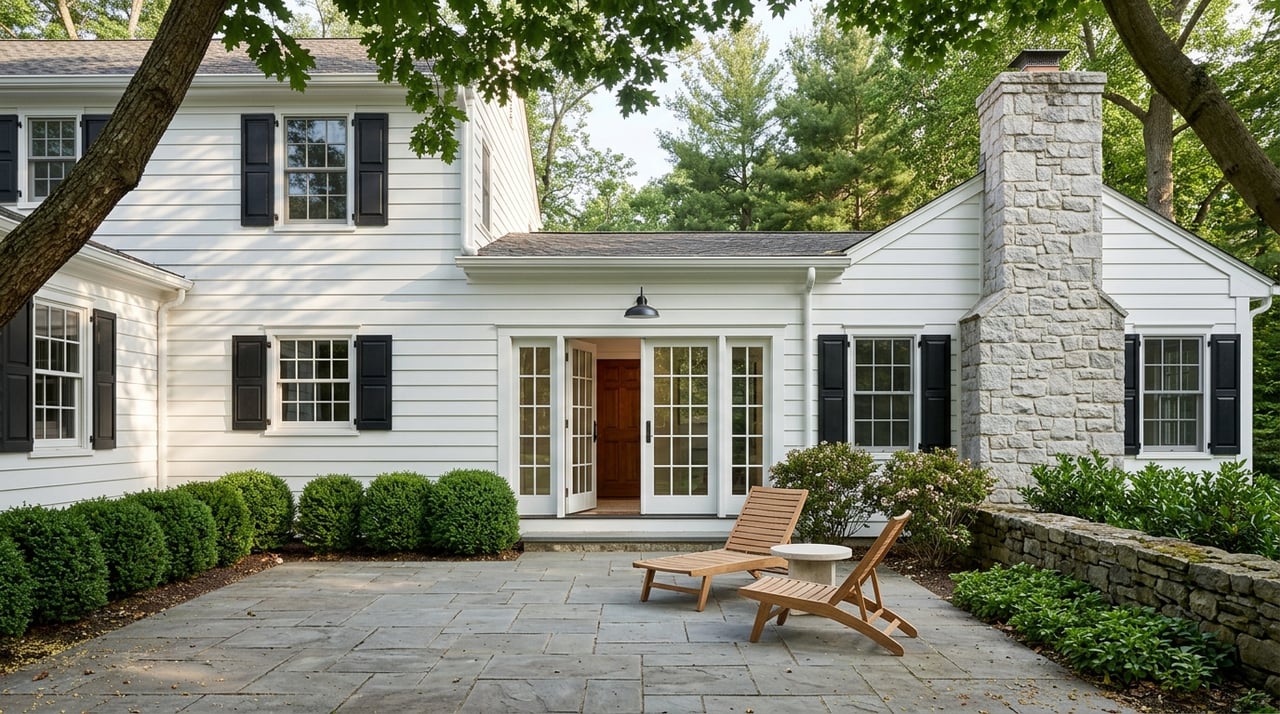
Redding’s housing stock matches its landscape. Local planning materials describe the town as predominantly single-family homes on larger lots, and that is the clearest way to think about the market. If you are hoping for a detached home with more breathing room, Redding aligns well with that goal.
The town does allow some flexibility through accessory apartment permits, but this is not a market defined by dense multifamily housing. It is better understood as a mature, primarily single-family community where the natural setting still shapes residential patterns.
That pattern is reinforced by subdivision rules that require open space as part of approval. In practical terms, that helps explain why many parts of town feel integrated with the surrounding landscape rather than separated from it.
A Mature, Low-Turnover Market
Census and planning data suggest Redding has a stable housing base. The owner-occupied housing rate is 91.6%, the median value of owner-occupied homes is $706,300, and median gross rent is $2,101. Housing growth was concentrated in the 1970s, 1980s, and 2000s, with relatively limited recent unit growth in the period reviewed by the town’s housing annex.
For you as a buyer, that often means established homes, established parcels, and fewer large pockets of brand-new development. It can also mean lower turnover, so being prepared and informed matters when the right property comes on the market.
What Daily Life Can Feel Like
For buyers moving from New York City or more built-up Fairfield County towns, Redding often feels like a reset. The combination of preserved land, larger residential lots, and limited commercial activity creates a quieter daily rhythm. You may find that your routines naturally shift toward walking trails, visiting parks, and spending more time outdoors close to home.
That does not mean you are disconnected. Redding station is on Metro-North’s Danbury Branch, and Connecticut DOT notes that the branch feeds the New Haven Line, which runs west to Grand Central Station. The station is accessible, though the MTA notes there is no ticket office or ticket machine there.
This balance is part of Redding’s appeal. You can maintain a connection to regional commuting while living in a town that feels distinctly more rural-suburban than urban.
What Nature-Minded Buyers Should Know
A nature-focused move is not just about scenic photos. It is about understanding how a town functions day to day. In Redding, outdoor access is a major benefit, but many spaces are protected for habitat, watershed, or broader conservation goals.
That means rules matter. Some areas have seasonal schedules, specific dog restrictions, or activity limits. For many buyers, that is actually part of the appeal because it reflects a town that protects the very features people move there to enjoy.
Before buying, it helps to think through your lifestyle priorities clearly, such as:
- How much land or privacy you want at home
- Whether direct trail access matters to you
- How important commute options are
- Whether you prefer a more established home or are open to updates
- How often you plan to use parks, beaches, or trail networks
Why Redding Stands Out in Fairfield County
Many towns can claim some green space. Redding stands out because conservation is woven into the town’s identity, housing pattern, and daily experience. With almost 4,000 acres preserved by the town, more than 2,200 acres stewarded by the Land Trust, and roughly 60 to 80 miles of trails depending on how they are counted, the scale is meaningful.
That makes Redding especially appealing if you want your home search to focus on lifestyle as much as square footage. Here, nature is not just nearby. It is part of how the town is built and protected.
If you are considering a move to Redding, it helps to work with a team that understands how lifestyle, housing stock, and local market conditions intersect. The Kelly Higgins Team offers thoughtful, local guidance for buyers and sellers across Fairfield County and can help you evaluate whether Redding is the right fit for your next move.
FAQs
How much open space is in Redding, CT?
- Redding says it has preserved almost 4,000 acres from development, and the Redding Land Trust stewards more than 2,200 acres, with roughly 60 to 80 miles of trails depending on how they are counted.
What types of homes are common in Redding, CT?
- Redding is primarily a single-family home market with larger lots, along with some accessory apartment flexibility under local regulations.
Is Redding, CT good for hiking and outdoor recreation?
- Yes. Redding includes major outdoor destinations such as Saugatuck Falls Natural Area, Devil’s Den, Topstone Park, Putnam Memorial State Park, Huntington State Park, New Pond Farm, and access to the Ives Trail.
Can you commute from Redding, CT to New York City?
- Yes. Redding station is on Metro-North’s Danbury Branch, which connects to the New Haven Line for service to Grand Central Station.
Are Redding outdoor spaces open year-round?
- Some are, but access depends on the specific property. For example, Putnam Memorial State Park is open year-round to cyclists and pedestrians from dawn to dusk, while places like Topstone Park operate with seasonal schedules and specific rules.
Why does Redding feel different from other Fairfield County towns?
- Redding’s lower-density development pattern, large-lot single-family housing, limited commercial activity, and strong conservation focus create a quieter, more land-rich setting than many nearby towns.
