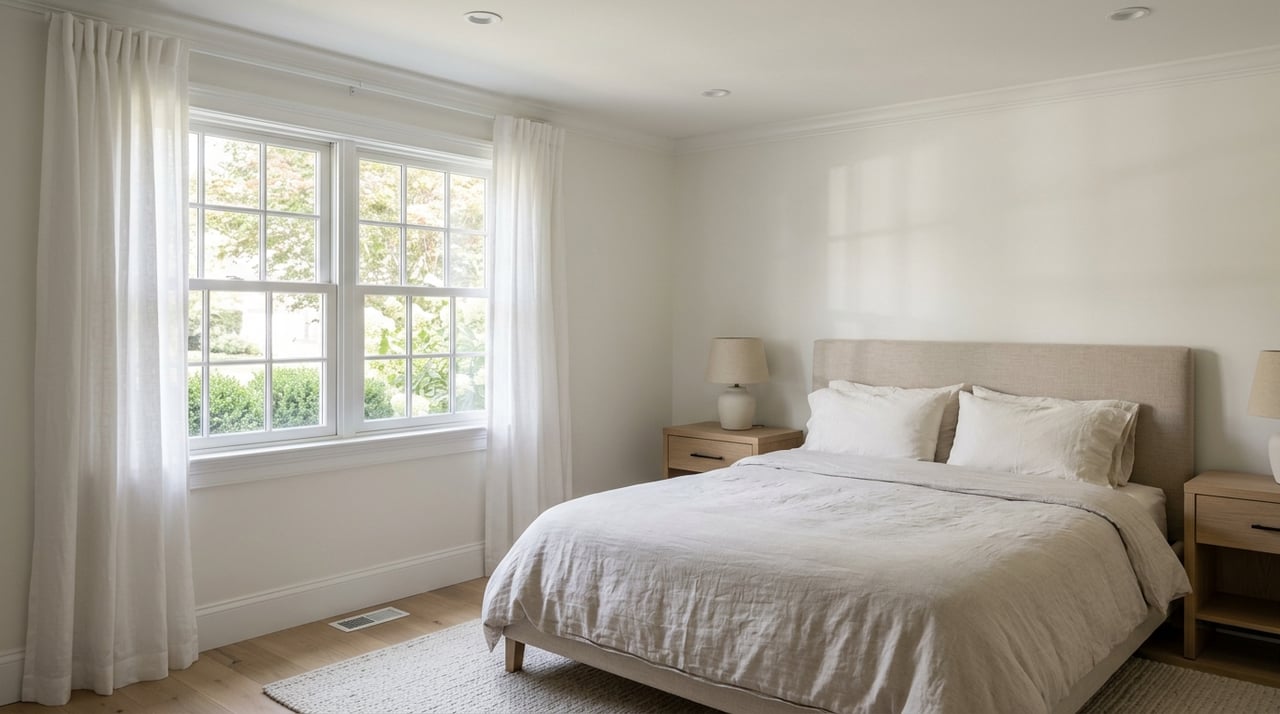
Selling in Trumbull can move fast, but fast markets still reward preparation. If you want strong early interest and fewer avoidable surprises, your best move is to treat listing day like a launch, not a last-minute task. A clear pre-listing plan can help you focus on the updates that matter, avoid wasted effort, and walk into the market feeling organized and confident. Let’s dive in.
Why prep still matters in Trumbull
Trumbull remained a seller-leaning market in spring 2026, but that does not mean every home should go live as-is. Public market snapshots point to quick movement, with reports showing homes going pending in about 7 days, median days on market ranging from 22 to 32 days, and sale-to-list figures around 105% depending on the source and timing measured.
Those numbers tell an encouraging story, but they also highlight something important. Buyers are still reacting to first impressions, pricing, and presentation. In a market like this, a polished launch can help you capture attention early and strengthen your position when offers come in.
Build a 4-to-6-week timeline
A rushed listing can leave money and leverage on the table. A 4-to-6-week prep runway is a practical planning window for many Trumbull sellers, especially since seller survey data showed that 53% of sellers took one month or less to get their home ready to list.
That timeline gives you room to make decisions in stages rather than all at once. It also helps you avoid over-improving and keeps the focus on the work that supports a clean, market-ready presentation.
Four to six weeks out
Start with the basics that affect how your home feels both online and in person.
- Declutter room by room
- Deep clean the whole house
- Identify visible repairs
- Gather service records and home documents
- Start thinking about what furniture and personal items should be removed
According to NAR, decluttering and whole-home cleaning are among the most common seller prep recommendations. This step matters because it helps buyers focus on the home itself instead of your belongings or deferred maintenance.
Two to three weeks out
This is the right time for cosmetic touch-ups and curb appeal work. You do not need to remodel every room, but you should address anything that makes the property feel unfinished or neglected.
Focus on tasks like these:
- Touch up paint where needed
- Clean windows, carpets, walls, and light fixtures
- Refresh the front entrance
- Tidy landscaping and edge planting beds
- Repair small but noticeable issues such as loose hardware or damaged trim
NAR guidance supports this middle-path approach. Cosmetic updates are optional, but visible condition issues can shape buyer perception and negotiations.
One week out
As launch day gets closer, shift your attention to presentation and media. This is when the home should look its best for photography, video, and showings.
Your checklist may include:
- Stage or lightly style key rooms
- Clear counters and extra furniture
- Open window treatments
- Turn on lights for media appointments
- Schedule professional photos and video
Strong listing media matters. NAR found that buyers’ agents rated photos and videos as especially important to their clients, which makes your visual presentation a major part of your marketing plan.
Right before launch
The final stage is about paperwork and logistics. In Connecticut, disclosure prep should begin before the listing goes live, not after you receive an offer.
Before you hit the market, gather:
- Connecticut Residential Property Condition Report
- Residential Foundation Condition Report, if required
- Records of repairs, inspections, and known issues
- Permit and certificate of occupancy records for work completed on the home
- Warranties, guarantees, and manuals for systems or appliances staying with the property
- Lead disclosure materials if the home was built before 1978
This step can make the transaction feel smoother from the start. It also helps you answer questions clearly when buyers begin doing their homework.
Start with decluttering and deep cleaning
If you are wondering where to begin, start here. Decluttering and cleaning are usually the highest-impact, lowest-regret improvements you can make before listing.
A cleaner, more open home photographs better and feels easier to walk through. It can also make rooms look larger, brighter, and more functional without requiring major spending.
What to remove first
Try to edit anything that distracts from the space itself.
- Excess furniture
- Overflow from closets and shelves
- Personal photos and collections
- Countertop appliances you do not use daily
- Seasonal items and storage bins
The goal is not to erase personality. The goal is to create a calm, spacious look that lets buyers picture how they would use each room.
What to clean carefully
NAR specifically recommends cleaning windows, carpets, lighting fixtures, and walls. Those details may sound small, but together they shape whether a home feels fresh and cared for.
Pay extra attention to kitchens, baths, floors, and entry areas. If a buyer notices grime, odors, or buildup, it can overshadow stronger features elsewhere in the house.
Make repairs buyers will notice
Not every seller needs a long repair list. In many cases, the smartest path is to fix what buyers will see easily and price appropriately around larger issues.
Visible defects tend to create outsized concern. Even minor problems can make buyers wonder what else has been overlooked.
Prioritize visible issues
Focus first on items like:
- Peeling paint
- Stained caulk or grout
- Dripping faucets
- Loose door handles
- Cracked switch plates
- Damaged screens
- Burned-out bulbs
These are usually manageable fixes, but they can meaningfully improve presentation. They also help reinforce the sense that the home has been maintained with care.
Be realistic about major systems
If you know of a bigger issue involving the roof, HVAC, foundation, or another major component, get clear on the likely cost and impact before listing. NAR notes that buyers will factor significant repairs into negotiations.
That does not always mean you need to complete the work before selling. It does mean you should understand the issue, gather records where possible, and plan your pricing and disclosure strategy accordingly.
Use staging where it counts most
You do not have to fully stage every room to make your listing more effective. In fact, many sellers take a lighter approach that focuses on decluttering, correcting property faults, and selectively improving presentation.
If you do invest in staging, direct your effort where it is most likely to matter. NAR found that the rooms buyers respond to most are the living room, primary bedroom, and kitchen.
Best rooms to stage
If time or budget is limited, start with:
- Living room
- Kitchen
- Primary bedroom
- Dining room
That order lines up closely with the rooms most commonly staged and most likely to influence how buyers experience the home. Even simple styling can help define a room’s purpose and improve flow in photos.
Is full staging necessary?
No. A clean, decluttered, well-photographed home can still perform very well.
That said, staging may offer a meaningful edge for some sellers. NAR reported that staging helped many buyers visualize the home better, and some agents reported lower time on market and modest improvements in offer strength. The median spend for a staging service was $600, which may make selective staging worth considering depending on your home and goals.
Don’t overlook listing photos and video
Today, your first showing often happens online. That means your home’s launch materials are not just marketing extras. They are part of the selling strategy.
NAR data shows that photos and videos matter strongly to buyers. If your home looks bright, clean, and well-composed online, you improve your chances of getting more interest in the first few days.
How to prep for media day
Before photos or video, make sure you:
- Clear kitchen and bath counters
- Hide cords, trash cans, and pet items
- Open blinds and curtains
- Turn on lights
- Remove vehicles from the driveway when possible
- Store valuables and medications out of sight
These details help your home read as open and polished. They also support more consistent results across photos, video, and in-person showings.
Get Connecticut paperwork ready early
In Trumbull, paperwork is part of the pre-listing game plan, not something to scramble through later. Connecticut requires sellers to think ahead about disclosures, and early preparation can reduce stress once a buyer is in the picture.
The Connecticut Department of Consumer Protection states that the standard Residential Property Condition Report must be provided before the buyer signs a binder, contract, option, or lease with a purchase option. Updates to the Residential Foundation Condition Report became effective July 1, 2025, and certain owners must complete that form as well.
Key disclosure items to organize
The current Connecticut property condition form includes questions related to radon, flood risk, and foundation conditions. It also reminds buyers that the disclosure is not a substitute for inspections.
That is why it is smart to gather supporting information early, including:
- Repair invoices
- Inspection records
- Contractor receipts
- Notes on known conditions or past issues
If your home was built before 1978, Connecticut also requires disclosure of known lead hazards, delivery of the EPA lead pamphlet, any available lead records, and a 10-day lead inspection period after contract.
Check permit records for past work
If you added, altered, or finished space over the years, it is wise to confirm that the proper permits and certificates of occupancy were issued. Trumbull’s Building Department handles permitting and reviews construction documents, and Connecticut disclosure guidance tells buyers to confirm permit and occupancy records for work done on a property.
This is especially important if you are selling a home with renovations, additions, or finished lower-level space. Having this information ready can help avoid delays and confusion once buyers start asking questions.
Should you get a pre-sale inspection?
A pre-sale inspection is not required, but it can be useful in some situations. NAR notes that it can surface issues before buyers do, which may give you more control over repairs, pricing, or expectations.
This can be especially helpful if your home is older, has not been updated recently, or includes improvements you want to document clearly. It may also help if you want fewer surprises during contract negotiations.
Keep launch day simple and show-ready
Once your home is live, consistency matters. Buyers may request showings quickly, especially in a market where well-presented homes can gain traction early.
NAR recommends clearing counters, wiping surfaces, neutralizing odors, opening window treatments, turning on lights, and removing pets and valuables before showings. A simple routine makes it easier to stay ready without feeling overwhelmed.
Final thoughts for Trumbull sellers
The best pre-listing plan is not about doing everything. It is about doing the right things in the right order.
In Trumbull’s spring 2026 market, sellers still benefit from a thoughtful launch built around clean presentation, visible-condition fixes, strong media, and early document prep. When you approach the process with a clear timeline, you give yourself a better chance to attract serious buyers quickly and move forward with fewer headaches.
If you want a tailored plan for your timeline, property condition, or next move, the Kelly Higgins Team can help you prepare, position, and launch your home with confidence.
FAQs
What is the best pre-listing timeline for selling a home in Trumbull?
- A practical timeline is about 4 to 6 weeks, with decluttering and cleaning first, cosmetic touch-ups next, staging and media in the final week, and disclosures and records organized before launch.
What repairs should Trumbull home sellers make before listing?
- Focus first on visible issues like peeling paint, dripping faucets, damaged trim, stained surfaces, broken hardware, and lighting problems, then evaluate larger system issues for pricing and disclosure purposes.
Do Trumbull sellers need to stage every room before listing?
- No. Many homes perform well with decluttering, deep cleaning, and selective staging, especially in the living room, kitchen, primary bedroom, and dining room.
What paperwork should Connecticut home sellers prepare before listing?
- You should gather the Residential Property Condition Report, any required Residential Foundation Condition Report, repair and inspection records, permit and certificate of occupancy records, warranties, manuals, and lead disclosure materials if the home was built before 1978.
Should a Trumbull home seller get a pre-sale inspection?
- It is not required, but it can help identify issues before buyers do and may give you more control over repairs, pricing, and negotiations.
Why do photos and video matter when listing a home in Trumbull?
- Buyers often see your home online before they visit in person, and strong photos and video can improve first impressions and help generate early showing activity.
