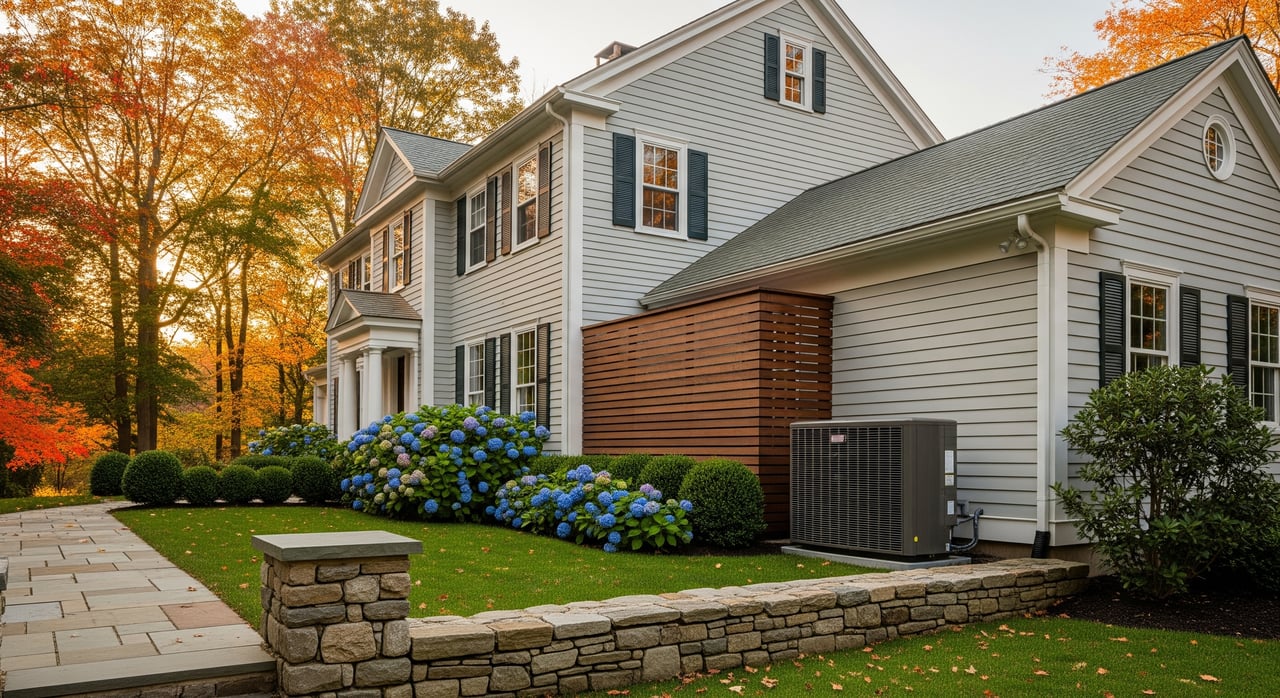
Thinking about ditching oil or propane in your Newtown home? You’re not alone. With rising fuel costs and interest in cleaner, quieter comfort, many local homeowners are exploring heat pumps. The challenge is sorting out what works in our cold winters, what it costs, and how to plan the switch without risking comfort.
This guide walks you through how heat pumps perform in Newtown, what systems fit older homes, how to compare operating costs, and the practical steps for a smooth installation. You’ll finish with a clear checklist to decide if full or partial oil‑to‑electric conversion makes sense for you. Let’s dive in.
Why Newtown homeowners switch
Newtown has four true seasons, and winters can be long and cold. That means you use a lot of heating energy and feel fuel price swings. Modern cold‑climate heat pumps are designed to run efficiently in low outdoor temperatures, although performance drops as the temperature falls. Even so, many homes can cut operating costs compared to oil or propane, especially when you include the added benefit of high‑efficiency cooling.
Connecticut’s electric grid is getting cleaner over time. Moving from on‑site oil or propane combustion to electric heat pumps often lowers your home’s carbon emissions. Keep in mind that a fully electric system depends on grid reliability, so it’s smart to plan for backup during extended outages.
How heat pumps perform here
Cold‑climate air‑source heat pumps can deliver heat at outdoor temperatures common to Newtown winters. Their efficiency is described by COP, which declines as it gets colder, and by seasonal ratings like HSPF or HSPF2. Ground‑source systems keep steadier efficiency because the ground temperature is more stable year‑round.
In practice, a well‑designed heat pump system sized using a Manual J load calculation can keep you comfortable in most weather. During the coldest snaps, hybrid setups or planned backup heat can carry you through without stress.
System types that fit local homes
Ducted air‑source
If your home already has forced‑air heating, a ducted air‑source heat pump can be a near‑direct replacement. You’ll want your contractor to check duct sizing, sealing, and insulation. Tight, well‑insulated ducts help the system reach its rated efficiency.
Ductless mini‑splits
For homes without ducts, ductless mini‑splits or multi‑zone systems are a flexible retrofit. They let you convert room by room or floor by floor. This staged approach can cut upfront cost and target the spaces you use most.
Geothermal heat pumps
Ground‑source systems cost more upfront due to drilling or trenching, but they deliver steady efficiency across seasons. If you plan to own your home long term and have suitable yard space, geothermal can be a strong option to consider.
Air‑to‑water for hydronics
If you heat with radiators or baseboards, an air‑to‑water heat pump can tie into that system. Standard units often run at lower water temperatures than an oil boiler. You may need larger radiators, more emitter surface, or a high‑temperature model to meet design loads. Some homeowners add air‑source heat pumps for primary heat and keep hydronics as backup.
Match your current system
- Forced‑air: Ducted heat pumps can replace or augment your furnace if ducts are in good shape.
- Hydronic radiators or baseboards: Consider air‑to‑water heat pumps, radiator upgrades, or a hybrid plan that keeps the boiler as backup.
- No ducts: Ductless mini‑splits allow zone‑by‑zone conversion.
Whole‑home or hybrid
A whole‑home conversion takes more planning and investment, especially in older homes with higher heat loads. A hybrid or dual‑fuel setup pairs a heat pump with your existing oil or propane system. The heat pump handles most days, while the boiler or furnace runs only when temperatures dip below a set point or during peak electric prices. This approach also boosts resilience if you’re concerned about outages.
Comfort and winter feel
Heat pumps deliver steady, even heat. Instead of short, high‑temperature blasts from an oil burner, you’ll notice longer, quieter run times at lower air temperatures. Many systems also provide summer cooling and better humidity control, which can improve comfort year‑round. Outdoor unit noise varies by model and placement. Ask about sound ratings and site the unit away from bedrooms and neighbor windows when possible.
Costs and savings, step by step
The best way to decide is to compare your current heating cost to a heat pump’s projected cost using your actual usage and rates. Use this simple method:
- Gather your numbers
- Annual oil or propane gallons used
- Your current price per gallon
- Your boiler or furnace AFUE (efficiency)
- Your electric rate in $/kWh
- A realistic seasonal COP for your chosen heat pump
- Convert fuel to useful heat
- Oil contains about 138,000 to 139,000 Btu per gallon.
- Propane contains about 91,500 to 92,000 Btu per gallon.
- Useful heat equals fuel energy times AFUE.
- Estimate heat pump electricity
- Required kWh equals useful heat divided by (seasonal COP times 3,412 Btu/kWh).
- Compare annual cost
- Fuel cost equals gallons times price per gallon.
- Heat pump cost equals required kWh times electric rate.
- Find savings and payback
- Annual savings equals fuel cost minus heat pump cost.
- Simple payback equals the net installation cost divided by annual savings.
Example with labeled assumptions
- Uses 800 gallons of heating oil per year
- Oil energy content 138,690 Btu per gallon, total fuel energy about 111 million Btu
- Old oil boiler AFUE 0.80, useful heat about 88.8 million Btu
- Heat pump seasonal COP 3.0
- Electricity rate 0.20 dollars per kWh
- Oil price 4.00 dollars per gallon
Calculations:
- Current fuel cost: 800 times 4.00 equals 3,200 dollars
- Heat pump electricity needed: 88.8 million Btu divided by (3.0 times 3,412) equals about 8,676 kWh
- Heat pump cost: 8,676 times 0.20 equals about 1,735 dollars
- Annual savings: about 1,465 dollars
Your results will vary based on your usage, rates, and the unit you choose. Ask your contractor for expected seasonal COP and use your recent bills for the most accurate comparison.
Upfront costs and financing
Installed prices vary by home and system type. Single‑zone ductless mini‑splits tend to be lower cost, multi‑zone or central ducted systems are mid‑range, and geothermal is the highest upfront. Many Newtown homeowners stage the project over time to manage budget.
Before you buy, check current incentives and financing. Look at federal tax credits, Connecticut programs through EnergizeCT and the Connecticut Green Bank, utility rebates from Eversource or United Illuminating, and listings on DSIRE. Program details change, so confirm eligibility, caps, and contractor requirements when you gather bids.
Permits and practical steps
Oil tank retirement has specific rules in Connecticut. The Connecticut Department of Energy and Environmental Protection and Newtown’s local building and health departments oversee removal or abandonment. If you suspect a leak, soil testing and cleanup may be required.
Many conversions need an electrical panel upgrade to support the new load. Plan for short power shutoffs during the changeover. For outdoor units, maintain clear airflow and allow for snow management. Geothermal systems require yard space and permitting for drilling or loop fields.
Choose the right contractor
Ask each bidder for:
- A Manual J heat load calculation and Manual S equipment selection
- AHRI or manufacturer performance data that shows capacity and COP at low temperatures, such as 17°F and 5°F
- Experience with similar cold‑climate retrofits, including hydronics if you have radiators or baseboards
- A written estimate detailing equipment, labor, permitting, duct or hydronic changes, and warranty terms
Look for certifications like NATE and proof of training on your chosen brand. Verify they participate in any utility rebate program you plan to use.
Noise and placement tips
Manufacturers list outdoor unit sound in dB(A). Placement matters. Set units on a stable pad, away from bedrooms and neighboring windows, and keep clearance for maintenance and airflow. For historic or tight sites, consider indoor or less visible configurations.
Reliability and backup choices
Heat pumps depend on electricity. If you want resilience for long outages, consider one of these backup strategies:
- Keep the existing oil or propane system as emergency heat
- Use a dual‑fuel setup that switches at a low outdoor temperature
- Add a whole‑home generator or a battery system sized for critical loads and heat pump operation
Decide what level of backup makes you comfortable before you finalize your design.
Maintenance and lifespan
Expect an air‑source heat pump to last around 15 years with good care. Schedule annual or biannual service for coil cleaning, refrigerant checks, and fan or motor maintenance. Refrigerant rules are evolving, which can affect future service choices and costs, so ask your contractor about the refrigerant used and long‑term support.
Newtown decision checklist
- Determine baseline
- Annual oil or propane gallons and cost
- Age and AFUE of your existing boiler or furnace
- Electric rate and panel capacity
- Assess house fit
- Get a Manual J load and envelope assessment
- Evaluate duct condition or hydronic compatibility
- Estimate costs and savings
- Use the step‑by‑step method with your real numbers
- Request 2 to 3 detailed bids with any envelope upgrades
- Explore incentives and financing
- Check DSIRE, Connecticut Green Bank, EnergizeCT, and your utility
- Plan for resilience
- Choose to keep backup, add a generator or battery, or go all‑electric with a hybrid strategy
- Choose scope
- Whole‑home conversion now, or staged partial retrofit
- Verify details
- Ask for AHRI sheets, expected seasonal COP, and references for similar homes
Bottom line for Newtown
A heat pump can be a smart move if you want steadier comfort, lower operating costs compared to oil or propane, and efficient cooling. In older Newtown homes, the best results come from a right‑sized system, thoughtful integration with ducts or radiators, and a clear plan for backup in extreme weather. Take a measured approach, run the numbers with your actual bills, and compare bids that include load calculations and realistic performance data.
If you’re weighing energy upgrades as part of a move or renovation, our team can help you time improvements, connect you with reputable contractors, and understand how upgrades can influence marketability and resale.
Ready to discuss your options or coordinate next steps? Contact the The Kelly Higgins Team for a no‑obligation consultation about your home or move.
FAQs
How do heat pumps handle Newtown winters?
- Modern cold‑climate air‑source heat pumps are engineered for low temperatures, but efficiency drops as it gets colder, so proper sizing and a backup plan for extreme snaps are important.
What savings can I expect switching from oil?
- Use your real usage, fuel prices, electric rate, and a realistic seasonal COP to compare; many homes see lower operating costs than oil or propane, but results depend on your numbers and equipment.
Can I keep my radiators with a heat pump?
- Yes, with an air‑to‑water heat pump or a hybrid plan, but you may need larger radiators or a high‑temperature model since standard units run lower supply water temperatures than oil boilers.
Do I need to remove my oil tank?
- Connecticut has rules for oil tank removal or abandonment, and Newtown’s building and health departments may require permits; address possible leaks with proper testing and remediation.
Should I go all‑electric or choose hybrid?
- A hybrid system lets the heat pump do most of the work while your boiler or furnace covers extreme cold or outages, which can be a good fit if you want resilience and predictable comfort.
What should a proper bid include?
- Look for a Manual J load calculation, Manual S equipment selection, low‑temperature performance data, detailed scope for ducts or hydronics, warranty terms, and references for similar local projects.
