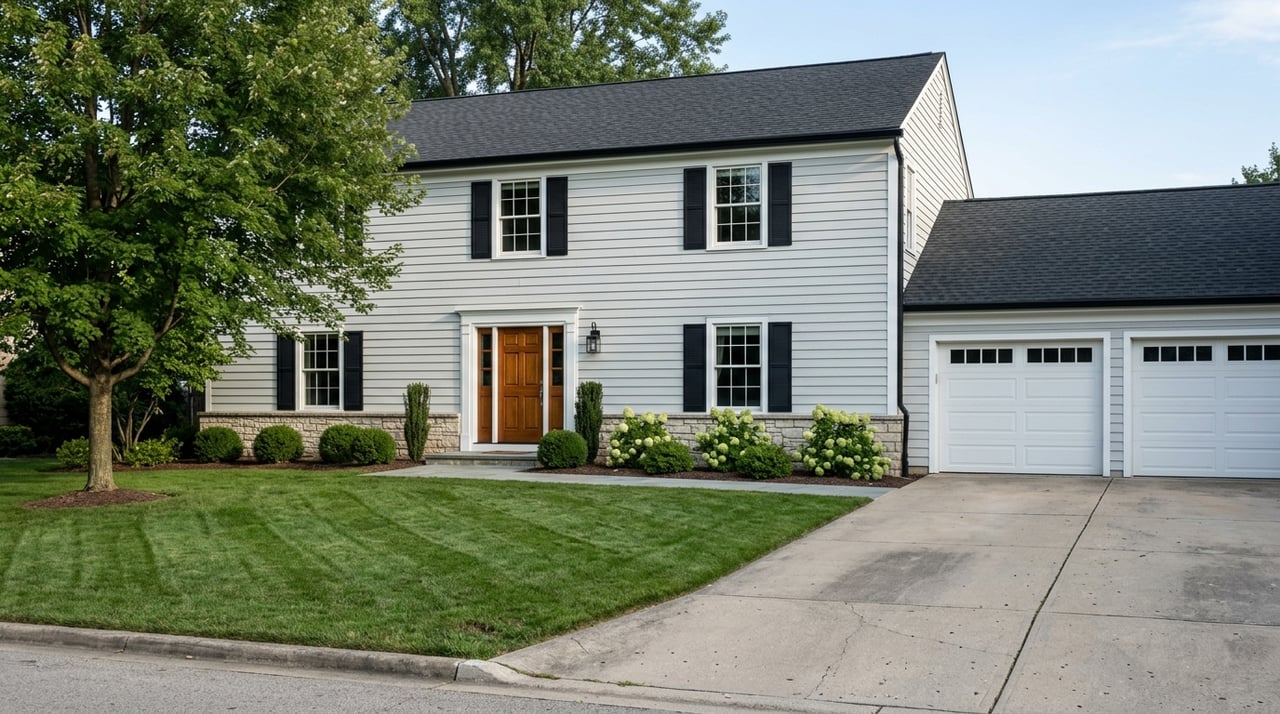
If city living no longer fits the way you want to live, Trumbull may be worth a closer look. Many buyers reach a point where they want more space, easier parking, and a calmer daily rhythm, but they still need practical access to shopping, commuting routes, and community life. If that sounds like you, this guide will help you understand what living in Trumbull really feels like and what tradeoffs come with the move. Let’s dive in.
Why Trumbull Appeals After City Living
Trumbull feels like an established Fairfield County suburb, not a dense extension of a city. The town describes itself as blending small-town New England character with retail, commercial, and light manufacturing activity, and its planning documents show a focus on preserving existing neighborhoods while adapting to changing housing needs.
That matters if you are trying to picture your next chapter. In 2024, Trumbull reported 36,922 residents, 11,820 households, a median age of 43, and a median household income of $153,846. Taken together, those numbers point to a mature, established community with a distinctly suburban pattern.
For many former city residents, the biggest draw is simple: more room to spread out. The town says Trumbull has the most recreational and open space per capita in Connecticut, which supports the idea that daily life here is shaped more by space and outdoor access than by density.
What You Gain In Daily Life
Moving from a city to Trumbull usually means changing your routine, not just your address. You are likely trading walk-to-everything convenience for more square footage, more yard space, and more separation between home, errands, and recreation.
That shift can be a positive one if you are ready for it. Trumbull offers a practical suburban setup with shopping clusters, highway access, and community amenities, while still keeping you connected to the broader Fairfield County region.
The town is also nearly built out, according to its planning materials. That often appeals to buyers who want an established setting rather than an area defined by constant large-scale change.
Getting Around Trumbull
Driving Is The Default
If you are used to relying on trains, walking, or frequent ride shares, this may be the biggest adjustment. Trumbull is car-forward, and for many residents, driving is the most straightforward way to get to work, handle errands, and move between different parts of town.
The town highlights access to I-95, Route 15, Route 25, and Route 8. That road network is a major reason Trumbull can work well for buyers who want suburban living without feeling cut off.
Rail And Bus Still Help
Even though driving plays a large role, Trumbull is not isolated. Nearby Metro-North New Haven Line stations include Bridgeport, Fairfield, Fairfield-Black Rock, and Stratford, which can support commuting or regional travel.
There are also bus connections that add another layer of flexibility. Town materials note that GBT Route 6 provides access to Trumbull Mall and Bridgeport Transportation Center, where connections are available to Metro-North and Amtrak.
Local Transit Options Matter
Trumbull also launched GBT Connect on July 1, 2024. According to the town, this microtransit service runs seven days a week from 6:00 AM to 8:00 PM for $4 per ride within Trumbull.
The town also says GBT Route 19x serves Trumbull Center and connects south to Bridgeport and north to Monroe. So while most households will still find a car useful, there are options that can help with shorter trips and some last-mile needs.
Parks And Recreation Shape The Lifestyle
One of the clearest differences between city living and Trumbull living is how people spend free time. Instead of relying on dense street activity, Trumbull’s community life is strongly tied to parks, trails, recreation facilities, and town programming.
The town says it has 20 parks and more than 1,600 acres of recreation and open space. That is a major lifestyle feature if you want easier access to outdoor time without planning a full day trip.
Trumbull’s recreation offerings include Tashua Knolls golf, hiking trails, more than 20 pickleball courts, tennis courts, pools, playgrounds, and trail use in Pequonnock River Valley State Park. For many buyers, this is where the suburban trade starts to feel worthwhile.
There is also a community programming layer that helps add rhythm to daily life. The town highlights weekly outdoor summer concerts, a farmers market, the Nature and Arts Center, and library programming.
Walking And Biking Look Different Here
If you love walking in the city, Trumbull may still offer ways to stay active, but the experience is different. Instead of a dense grid of storefronts and sidewalks, the town offers local walking routes and trail maps through Trumbull Treks near municipal buildings and neighborhoods.
That means you can still build walking and biking into your routine, just in a more planned and destination-based way. It is less about spontaneous block-by-block activity and more about parks, trails, and local routes.
Shopping And Errands In Trumbull
Errands in Trumbull tend to happen in retail nodes rather than one central downtown. The town points to two malls and shopping villages, and planning materials for the mall area describe a broad commercial stretch with opportunities for additional dining and other uses.
For everyday needs, town transportation materials identify common destinations such as Stop & Shop, ShopRite, Hawley Lane mall, Big Y, Target, CVS, and Walmart in Shelton. That gives you a sense of how practical daily life works here.
For many city buyers, this is one of the main tradeoffs. You may lose some walkability, but you gain easier parking, larger stores, and multiple convenient shopping corridors.
What Homes In Trumbull Typically Look Like
If you are moving from a city apartment, condo, or tightly packed neighborhood, Trumbull’s housing stock may feel very different. The market is still heavily shaped by detached homes.
According to the 2024 Housing Data Profiles, 90% of occupied homes are single-family and 10% are multifamily. The 2024 town profile also lists 12,374 housing units, a median home value of $470,100, and a median rent of $2,326.
That aligns with longer-term housing data as well. A 2020 town presentation found that 87.3% of occupied units were single-family detached, and those units were 95.1% owner-occupied.
An earlier housing diversity study found that more than 83% of homes had three or more bedrooms, 49% were built between 1940 and 1969, and 40% were built after 1970. In practical terms, that means you will often see detached suburban homes, many in mid-century neighborhoods, along with some attached and multifamily options.
Is Trumbull Broadening Beyond Classic Suburban Housing?
Yes, but gradually. The town’s 2023-2028 Affordable Housing Plan states that housing needs are changing and that additional units of different types are needed.
That does not erase Trumbull’s traditional suburban identity. It does suggest, though, that the housing conversation is evolving, which may matter if you are looking for alternatives to the classic detached-home format.
For buyers coming from city living, that is useful context. You should still expect a suburb-first housing market, but one that is beginning to recognize a wider range of housing needs.
How To Decide If Trumbull Fits You
Trumbull can be a strong next move if you want more space and a steadier suburban pace without giving up regional convenience. It may especially appeal to you if you value parks, recreational access, established neighborhoods, and practical shopping clusters.
At the same time, it helps to be honest about the adjustment. If your favorite part of city life is stepping outside and walking to nearly everything, Trumbull may feel more spread out and car-dependent than what you are used to.
A simple way to think about it is this:
- Trumbull may fit well if you want: more indoor and outdoor space, established residential areas, strong recreation options, and access to major roads
- Trumbull may feel less ideal if you want: a dense street scene, a highly walkable retail core, or a lifestyle built mostly around public transit
For many buyers, the answer comes down to priorities. If you are ready to trade some city convenience for space, open land, and a more suburban day-to-day experience, Trumbull has a lot to offer.
If you are weighing a move to Trumbull or comparing it with other Fairfield County towns, the right guidance can make the process much clearer. The Kelly Higgins Team offers hands-on local insight and thoughtful support to help you find the right fit for your next move.
FAQs
Can you live in Trumbull without a car?
- Partly, yes. Trumbull has GBT Connect, local bus service, and access to nearby Metro-North stations, but many daily trips are still easiest by car.
What type of housing is most common in Trumbull?
- The housing stock is mostly single-family. Town data shows 90% of occupied homes are single-family, with a smaller share of multifamily housing.
What does daily life in Trumbull feel like after city living?
- Daily life usually feels more spacious and more planned around driving, errands, parks, and community programming rather than dense street activity.
What are some recreation options in Trumbull?
- The town highlights 20 parks, more than 1,600 acres of recreation and open space, trails, golf, pickleball, tennis, pools, playgrounds, concerts, a farmers market, and library programming.
Is shopping convenient in Trumbull?
- Yes, but it is spread out across retail areas rather than centered in one walkable shopping district. Common destinations include grocery stores, malls, and major retail corridors.
Are there different housing options in Trumbull beyond detached homes?
- Yes, though detached homes remain the dominant pattern. Town planning materials indicate housing needs are changing and that additional housing types are needed over time.
