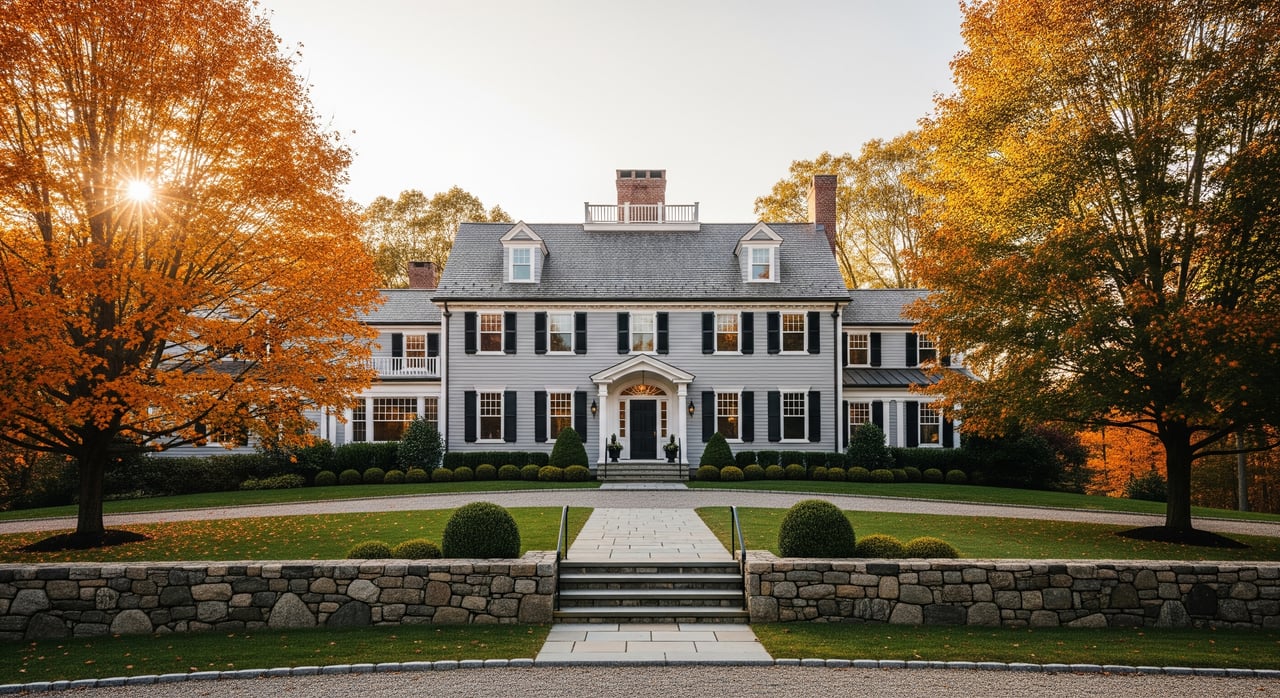
Is your timing working for you or against you? If you are planning a move in Redding, choosing when to list can change your days on market and your bottom line. You want strong buyer activity, fewer headaches, and a smooth closing. In this month-by-month guide, you will learn how Redding’s seasonal patterns work, the best overall windows to hit, and when an off-cycle listing can be smarter for acreage, unique homes, and commuter-focused properties. Let’s dive in.
Why timing matters in Redding
Redding is a suburban-rural town where many buyers value larger lots, privacy, and outdoor amenities. Local seasonality reflects school-year planning, weather and curb appeal, and commute patterns to employment centers. Activity usually builds in late winter and early spring as more homes hit the market and buyers step up their searches. Understanding this cycle helps you plan pricing, presentation, and your move timeline.
In higher-traffic months you benefit from more showings and stronger offer activity, but you also face more competition from other sellers. Off-cycle months bring fewer showings but often deliver more motivated buyers and less noise. Your best approach depends on your goals, property type, and timeline.
The best overall window
For many Redding sellers, late winter into early spring is the sweet spot. Listing from late February through May often lines up with peak buyer traffic, longer daylight for showings, and improved curb appeal. That combination can reduce your days on market and improve price outcomes. The trade-off is competition, so your pricing and marketing must stand out.
That said, off-cycle can be smart. Acreage and unique homes may shine with less competition, and commuter-driven buyers can be active year-round. If you have a defined deadline or a standout property, timing the market differently can still deliver a strong result.
Month-by-month in Redding
January
Buyer activity is quiet but focused. Fewer listings mean your home gets more attention from motivated shoppers. Weather and daylight limit curb appeal and showing windows.
- Price with the data and aim for strong online presentation.
- Invest in warm, well-lit interior photography and a virtual tour.
- Emphasize maintenance, systems, and winter readiness.
- Allow flexible showing times to capture serious buyers.
February
Momentum begins to build late in the month. Early listers can catch buyers prepping spring moves while inventory remains lean. Weather can still be a factor.
- Consider a late February launch for an early edge.
- Start exterior clean-up and plan spring touch-ups now.
- Pre-inspect key items to speed negotiations.
- Prepare for weekend open houses as weather allows.
March
Showings pick up and more homes enter the market. Buyers start acting to align closings with late spring or summer.
- Lead with professional photos and refreshed landscaping where possible.
- Set a pricing strategy that anticipates new competition.
- Schedule well-promoted open houses early in the listing period.
- Be responsive to showing requests to capture momentum.
April
Often one of the busiest months for offers in New England suburbs. Daylight and curb appeal help photos and showings. Competition is highest, so differentiation matters.
- Use full-spectrum marketing and polished staging.
- Highlight outdoor living, decks, patios, and usable yard.
- Offer wide showing windows to maximize foot traffic.
- Review offers promptly to leverage early interest.
May
Peak activity often continues. Buyers want properties under contract before summer.
- Spotlight outdoor spaces and move-in readiness.
- Consider a pre-inspection to reduce contingencies.
- Keep pricing disciplined as similar homes hit the market.
- Prepare documentation for quick buyer decisions.
June
Demand remains solid early, then tapers as vacations start. Many buyers still target a summer move.
- Emphasize closing flexibility and clean timelines.
- Refresh exterior features to stay photo-ready.
- Keep weekends open for showings and open houses.
- Watch nearby new construction and adjust position if needed.
July
Activity can be mixed. Some buyers are away while others move quickly to meet late summer timelines.
- Price to the market to avoid summer stagnation.
- Showcase summer amenities like gardens and outdoor entertaining.
- Keep showings easy to schedule for last-minute shoppers.
- Update marketing with seasonal photography.
August
Activity often dips mid to late month, then steadies as families complete plans. Buyers who delayed earlier are motivated.
- Target relocation and deadline-driven buyers in your marketing.
- Highlight practical features like storage, mudrooms, and home offices.
- Maintain competitive pricing to shorten time to contract.
- Prepare for a September uptick.
September
A brief second wind as serious buyers re-enter the market. There is less competition than in spring.
- Lean into fall curb appeal and simple seasonal staging.
- Offer incentives like quick occupancy if timing helps buyers.
- Keep photography current to match the season.
- Respond quickly to feedback to tighten your strategy.
October
Moderate activity with attractive fall scenery. The window before the holidays is limited.
- Feature mature landscaping, foliage, and exterior upkeep.
- Emphasize mechanical health and heating efficiency.
- Schedule weekend open houses to capture busy buyers.
- Prepare for longer market times as winter nears.
November
Traffic slows but serious buyers remain. There is very little competition.
- Use targeted outreach to relocation and off-season buyers.
- Keep holiday decor simple and neutral.
- Price to be visible in fewer search results.
- Offer flexible terms to encourage quick decisions.
December
Lowest inventory and buyer traffic, yet the shoppers who remain are deadline-driven. You can stand out with minimal competition.
- Focus on cozy interior presentation and quality photography.
- Call out recent upgrades and maintenance records.
- Make showings easy despite holiday schedules.
- Position for quick, clean closing timelines when possible.
Strategy by property type
Acreage and rural properties
Acreage buyers want privacy, usable land, and clarity on utilities and access. Spring and early summer help them evaluate lot lines, drainage, and outdoor function. Off-season can still work if you showcase year-round access and highlight systems.
- Provide drone or wide-angle imagery and clear maps of lot lines.
- Disclose septic and well details, plus any zoning or acreage notes.
- Schedule daylight showings by appointment for thorough tours.
- Emphasize usable acreage, outbuildings, and hobby or recreation potential.
Unique homes
Architectural, historic, or highly customized homes attract niche buyers. Spring can cast a wide net, but off-cycle months can reduce competition and focus attention on your property.
- Tell the story of design, history, and materials with extended photo and video.
- Share recent system updates and inspection details to build confidence.
- Use targeted outreach and social channels to reach design-minded buyers.
- Prepare for longer decision cycles and deeper due diligence.
Commuter-oriented properties
Buyers focused on drive-time and access to nearby rail can be active all year, often guided by job timelines. Spring is still strong, but do not overlook steady off-cycle demand.
- Provide commute-time context and route options in your marketing.
- Highlight practical features like garages, storage, mudrooms, and home office space.
- Keep showing windows flexible for after-work appointments.
- Offer clear guidance on closing timelines to align with start dates.
Decision rules to choose your list month
- If you want maximum buyer traffic and potentially multiple bids, aim for late February through May.
- If your home is unique or on substantial acreage, consider off-cycle months to avoid competing listings.
- If you have a hard deadline, list as soon as the home is photo-ready and price for today’s market rather than waiting for a seasonal window.
- If curb appeal and landscaping are major selling points, target early spring when exterior presentation helps photos and showings.
- If you plan to move by early summer, consider listing in March or April to allow time for negotiation and a standard closing.
Getting market-ready in Redding
Preparation increases your odds in any month. Start with a clear plan, then execute against the calendar.
- Pre-list checkup: service HVAC, confirm roof and gutter condition, touch up paint, and declutter. Address well and septic maintenance where applicable.
- Photo-first mindset: schedule professional photography when light is best. If you plan to list in early spring, capture exterior photos on a mild day as soon as the yard shows well.
- Staging and repairs: refresh rooms that drive value and prioritize simple wins like lighting and hardware. Create inviting outdoor zones.
- Documentation: assemble permits, utility info, maintenance logs, and any recent inspection findings to speed buyer decisions.
When to go off-cycle vs wait
- List off-cycle when your property is distinctive, you need to meet a firm deadline, or you prefer less competition. Motivated buyers often shop year-round.
- Wait for late winter or early spring if your home will benefit from stronger curb appeal, longer daylight, and a larger buyer pool.
- In either case, your pricing, presentation, and responsiveness will shape the outcome.
Ready to talk strategy?
You do not need a one-size-fits-all plan. With the right timing, positioning, and presentation, you can sell confidently in any season. For a tailored strategy that aligns with your goals and timeline, connect with the Kelly Higgins Team. We will help you choose the right month, prepare a polished market launch, and manage the process from first showing to closing.
FAQs
What month is generally best to list in Redding?
- Late February through May often brings the most buyer traffic, longer daylight, and stronger curb appeal, which can reduce days on market and improve pricing.
Is winter a bad time to sell a Redding home?
- Not necessarily; there is less traffic in winter, but motivated buyers and minimal competition can lead to focused showings and clean deals.
How does acreage affect the best listing month in Redding?
- Spring and early summer showcase land and outdoor usability, while off-season can work if you emphasize privacy, access, and clear utility details.
When should I photograph my home for a spring listing?
- Capture exterior photos as soon as the yard looks its best and schedule interiors with bright, natural light to maximize online impact.
How far in advance should I list if I want to move by summer?
- Listing in March or April usually provides time for marketing, negotiation, and a standard closing aligned with an early summer move.
